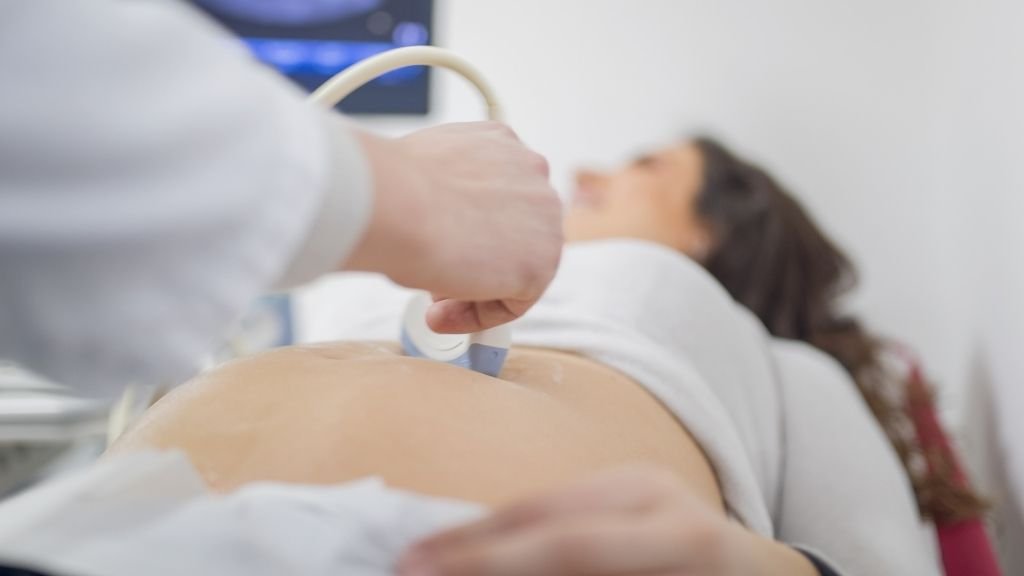



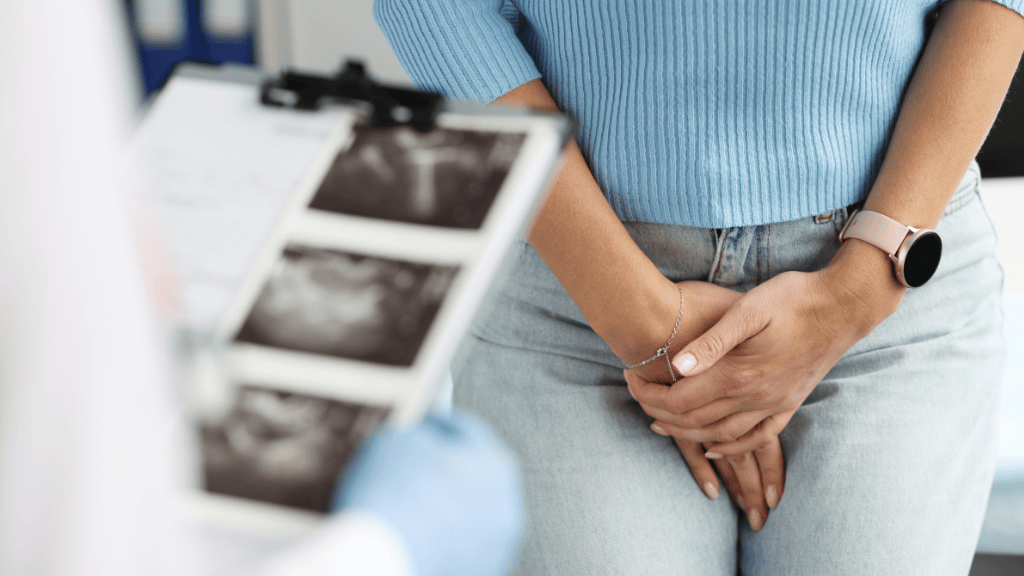
The Human Papilloma Virus (HPV) is one of the most frequent infections, but also one of those that generates more doubts among women. In a gynecological clinic in Las Palmas, many consultations related to HPV do not come because of obvious symptoms, but because of uncertainty, routine check-ups or test results that need a clear and calm explanation.
Talking about HPV in an understandable way is important to avoid unnecessary fears and, at the same time, not to undermine the value of prevention. If you live in Telde, Las Palmas or in other areas of Gran Canaria such as Vecindario, Agaete, Playa del Inglés or Maspalomas, this article will help you understand what the Human Papilloma Virus is, how it is detected, when to make an appointment with a doctor and how to prevent it. gynecologist and why regular check-ups are still one of the best tools to take care of your gynecological health.
What is Human Papillomavirus and why is it so much talked about?
Human Papillomavirus, known as HPV, encompasses a broad group of viruses that are transmitted primarily through intimate contact. It is very common: most sexually active people will come into contact with it at some point in their lives. Precisely because of its frequency, it is a subject that should be approached naturally, with reliable information and without scaremongering.
Not all types of HPV behave the same. Some may disappear on their own without causing problems, while others may produce cellular alterations that require medical monitoring. That is why, when talking about HPV, the most important thing is not to automatically think of serious scenarios, but to understand that proper surveillance allows early detection of any changes that need to be followed up.
In gynecological consultations, many patients come with very similar questions: whether HPV always causes symptoms, whether it disappears, whether an altered cytology means something serious or whether they should be concerned even if they feel fine. The answer is almost always the same: the most important thing is to make an individual assessment and to keep the gynecological check-ups in time.
HPV symptoms in women: why it often goes undetected
One of the most confusing aspects is that HPV, in most cases, does not produce clear symptoms. That means that a woman can have the virus and not notice anything different in her day-to-day life. There are usually no obvious signs to suspect it without a gynecological examination.
In some specific cases, genital warts or alterations may appear that can only be detected by medical tests. But the absence of discomfort does not mean that there is no infection. That is why waiting for symptoms to appear before going for consultation is not a good strategy when we talk about gynecological health preventive.
This point is especially important for women who live in Las Palmas, Telde or nearby municipalities of Gran Canaria and who postpone their check-up because they “feel fine”. Precisely because many infections do not show any signs, regular gynecological check-ups are still the best way to detect any alteration in time.
Signs that may lead to request a gynecological evaluation.
Although HPV is usually asymptomatic, there are situations in which it is advisable to make an appointment with a gynecologist to study the case more calmly:
- If you have received an altered cytology result.
- If you have doubts after a previous review.
- If you want to start or resume your regular gynecological check-ups.
- If you have noticed lesions or changes in the genital area.
- If you want information about prevention or vaccination.
How HPV is detected: testing and monitoring
When a patient asks how HPV is detected, the answer is usually quite reassuring: in general, these are standard tests in gynecologic care and not complex procedures. The important thing is that each test has a different function and should be indicated in the appropriate context.
The best known tools for the study of HPV are cytology and the specific test to detect the virus. Cytology does not directly look for the virus, but for possible cellular changes in the cervix. The HPV test, on the other hand, does test for the presence of the virus. Depending on age, history and previous results, the gynecologist may recommend one or the other, or both.
In a gynecological consultation in Las Palmas or Telde, the objective is not only to do a test, but to correctly interpret the result and decide whether routine control is enough or whether a closer follow-up is advisable. This part of the medical accompaniment is what usually makes the difference between leaving with more anxiety or leaving with a clear road map.
Practical table: what each test provides
| Test | What it is used for | What it detects | When it can be recommended |
|---|---|---|---|
| Cytology | Assess the condition of the cervical cells. | Cellular changes requiring monitoring | In periodic gynecological check-ups according to medical criteria. |
| HPV Test | Check for the presence of the virus | Human Papillomavirus Infection | When the gynecologist considers it indicated due to age, history or previous results. |
| Gynecological evaluation | Interpret results and define follow-up | Need for control, review or additional study | Whenever there are doubts, findings or the need for prevention |
When to ask for an appointment with a gynecologist in Las Palmas or Telde if you have doubts about HPV
Many women do not know whether they should consult immediately or wait for the next annual checkup. The reality is that there is no single answer for everyone, but there are some scenarios in which it is advisable to make an appointment with a gynecologist in Las Palmas or Telde to resolve doubts and assess the case individually.
For example, if you have received an altered result on a Pap smear, if you have not had a check-up for a long time, if you want to resume your controls or if you simply need to clarify doubts about HPV and its prevention, the gynecological consultation can help you to sort out the situation. It's not a question of going to a consultation in fear, but of having reliable information adapted to you.
This applies both to women who live in Telde and Las Palmas and to those who travel from other areas of Gran Canaria, such as Vecindario, Agaete, Playa del Inglés or Maspalomas, looking for a close, clear and well explained attention.
Frequent situations in which it is advisable to consult
- If you have not had a gynecological checkup for some time.
- If you have doubts after starting your sexual life or changing your control habits.
- If you are concerned about a previous result and don't quite understand what it means.
- If you want to know which HPV tests may apply to you.
- If you are looking for a second explanation in a simple and non-technical way.
HPV treatment for women: what is really done when it appears?
One of the most frequent searches is “HPV treatment for women”, but it is worth explaining what this means. In many cases, there is no treatment aimed at “eliminating” the virus directly, but rather an approach based on monitoring the evolution, watching for possible changes and treating lesions if they appear.
This is important because it avoids false expectations. When a patient is diagnosed with HPV, the first thing she needs is not a promise, but an honest explanation: in many cases the body eliminates the virus by itself over time, and the role of gynecology is to accompany this process with appropriate check-ups to detect any alteration that requires action.
Follow-up may vary from one woman to another. It is not the same for a patient with a punctual finding and no history, as it is for another who needs closer monitoring due to the combination of results. Therefore, to speak of “treatment” in a generic way may be an understatement; the correct way is to speak of assessment, follow-up and individualized management.
What is usually included in the approach
- Periodic gynecological examination.
- Medical interpretation of cytology or HPV tests.
- Follow-up according to the results.
- Control of injuries or changes when they appear.
- Clear information to reduce anxiety and improve decision making.
HPV prevention: what you can do to take care of your gynecological health
Prevention occupies a central place when we talk about HPV. And not because there is a formula for zero risk, but because there are very useful tools for early detection and reduction of future complications. In this context, prevention is not just about getting tested, but about normalizing gynecological care in the same way that other aspects of health are taken care of.
Regular check-ups, testing when indicated and adequate information are basic pillars. It may also be important to consult about vaccination depending on the age and situation of each patient. What is important is to avoid two very frequent extremes: downplaying the importance of the subject or living it with excessive fear.
From a practical point of view, HPV prevention in a gynecological clinic in Las Palmas or Telde is based on something very simple to explain: check, interpret and accompany. It is this continuity of care that provides real value.
Health awareness and education: why talking about HPV helps
HPV continues to be surrounded by misinformation. Many women have heard of the virus, but are not always clear about what a positive result means, whether they should be concerned or what steps they should take next. That's why health education plays as important a role as the actual medical screening.
Ginelux also works on this informative part. A good example is the content published on the occasion of the International Human Papilloma Virus Awareness Day, focused on remembering that this is a very common virus, which in many cases has no symptoms and that prevention involves gynecological check-ups, testing when appropriate and individual assessment of preventive measures.
Within the article you can link this block to the Instagram post with natural text like this:
This type of content helps to convey an important message: taking care of oneself also means prevention. And prevention does not mean living in fear, but having access to controls, understandable information and professional support when doubts arise.
The value of close attention in gynecological consultation Las Palmas
When a patient consults for HPV, she rarely needs just a test. What she often really needs is context: to understand what that result means, to know if and when to repeat tests, and how to continue as normal without feeling lost. That's where close attention becomes especially important.
At Ginelux, this vision is part of the daily work of the gynecology and obstetrics team. Professionals such as Ramón Santana García, Mónica Álvarez Sánchez, Eleazar Bravo Moreno, Elena Torres Castellano, Rosa Rodríguez de la Mano, Lucía González Sánchez and Marta de Luis participate in a care focused on prevention, revision and medical accompaniment with clear language. The aim is not to take a commercial approach, but to highlight the value of a form of care that helps many patients to experience these situations with more serenity.
For many women in Telde, Las Palmas and other areas of Gran Canaria, this proximity is important not only when a specific question arises, but also when it comes to maintaining regular controls within a responsible gynecological follow-up.
For more information on other services related to women's health care, you can consult the page of general gynecology or the menopause unit of Ginelux.
Common Misconceptions about Human Papilloma Virus
One of the reasons why HPV generates so much concern is the number of confusing ideas that circulate about it. Clarifying them helps reduce anxiety and, at the same time, promotes more sensible decisions.
- “If I don't have symptoms, it can't be HPV.”. This is a widespread belief, but it is not correct. HPV infection usually does not cause symptoms, hence the importance of gynecological screening.
- “A positive result means something very serious.”. Not necessarily. A positive result indicates the presence of the virus, but the interpretation depends on many factors and should be done by a professional.
- “If I feel fine, I don't need revision.”. Precisely because many alterations do not cause discomfort, check-ups remain an essential part of gynecological care.
- “HPV only affects some women.”. It is a very frequent infection and can appear in women of very different profiles. It is neither rare nor exceptional.
- “The best thing is to wait and not think about it.”. Ignoring doubts often increases uncertainty. A timely consultation helps to understand the situation and to know what steps to take.
Gynecological clinic in Telde and Las Palmas: when it is convenient to resume your check-ups
There are women who stopped having check-ups due to lack of time, because they moved to another city, because they had no symptoms or simply because they kept putting it off. If you feel identified with that, this may be a good time to take control of your gynecological health.
Going to a gynecological clinic in Telde or Las Palmas not only makes sense when there is a problem. It is also a way to prevent, resolve doubts and leave in writing an orderly follow-up over time. This preventive approach is especially useful in issues such as the Human Papilloma Virus, where the apparent normality is not always enough to rule out the need for control.
In short, making an appointment with a gynecologist can be a simple decision with a lot of value in the medium and long term, especially if you are looking for a consultation where the information is clear and adapted to your case.
Frequently asked questions on HPV and gynecological screening
Can I have HPV without noticing any symptoms?
Does a positive HPV result mean I'm going to have a serious problem?
What is the difference between cytology and the human papilloma test?
How often should I have a gynecological check-up?
When to make an appointment with a gynecologist in Las Palmas or Telde for this reason?
Taking the step in time is also prevention
The Human Papilloma Virus is part of the gynecological reality of many women, and that is precisely why it is important to talk about it naturally, rigorously and closely. Understanding what it is, how it is detected and the role of check-ups allows us to make calmer and better-informed decisions.
If you want to resolve doubts, resume your controls or ask for an assessment in consultation, you can do so through the Ginelux contact page.