English
  Spanish
  Russian
  German
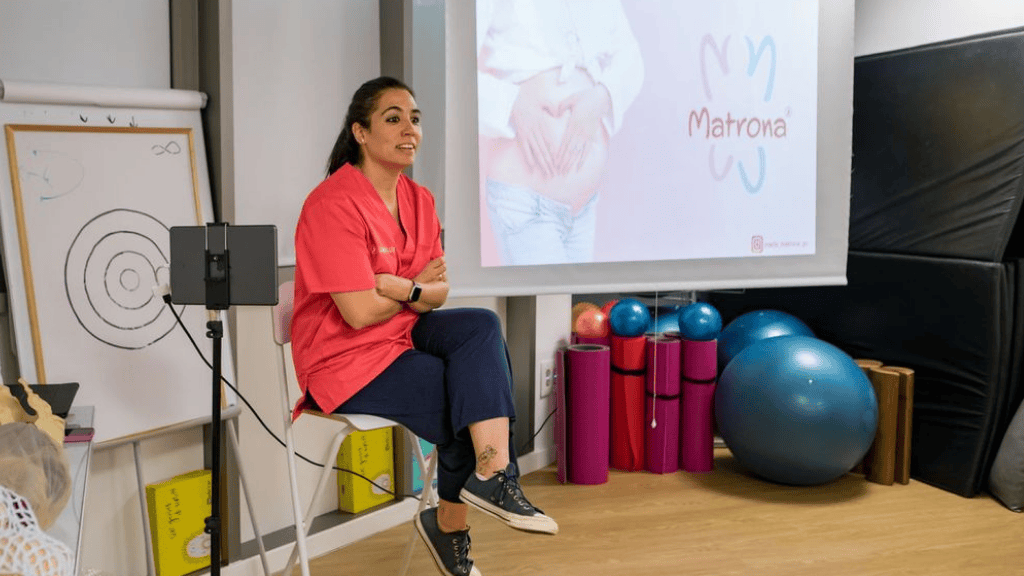
Breastfeeding is one of the most important and delicate moments in the life of a mother and her baby. During the first weeks after birth, many doubts, insecurities and support needs arise. At Ginelux, our midwife Marta Santana Robaina accompanies mothers in this process, together with our trusted gynecologists, offering close and specialized care.
The importance of breastfeeding in the first days of life
The first feedings mark the beginning of a unique relationship between mother and child. Breastfeeding not only provides essential nutrients, but also strengthens the emotional bond and offers immunological protection against multiple diseases.
However, these benefits can be overshadowed by common difficulties: breast pain, cracked nipples, insecurity about the amount of milk or fear of not feeding the baby well. That is why it is essential to count on the guidance of a midwife in Telde like Marta Santana Robaina.
The role of the midwife in breastfeeding
The figure of the midwife is key in this process. In addition to accompanying the birth, her support during breastfeeding ensures that the mother has the confidence and knowledge necessary to enjoy this stage.
How a midwife helps you in the early weeks
- Positioning and latch-on: one of the main causes of pain and cracks is poor posture. The midwife teaches how to position the baby so that sucking is effective and without discomfort.
- Prevention of common problems: mastitis, engorgement or cracks may appear. Early support helps prevent complications and treat them in time.
- Personalized breastfeeding routines: each mother and baby have their own rhythm. The midwife provides guidance on feedings, rest and daily organization.
- Emotional support: the first weeks may generate anxiety. Active listening and professional accompaniment help the mother gain confidence.
At Ginelux, our midwives in Telde and other professionals combine experience and proximity to offer an integral accompaniment, working in coordination with our trusted gynecologists.
Benefits of breastfeeding
To talk about breastfeeding is to talk about advantages for both the baby and the mother. It is not only an act of feeding, but a process that influences the physical, emotional and social health of both. Breast milk contains all the nutrients that the newborn needs in the first months of life, even adapting to each stage of its development. It also provides natural antibodies that strengthen the immune system and prepare it for common infections.
On an emotional level, each feeding is a moment of skin-to-skin contact that generates security and attachment. This early bonding not only helps the baby feel protected, it also strengthens the mother's emotional well-being. At the same time, breastfeeding has a positive impact on postpartum recovery, as it helps the uterus return to its normal size and reduces the risk of hemorrhage.
On the other hand, there are long-term benefits. Studies have shown that breastfed children have a lower risk of obesity and metabolic diseases in adulthood. For the mother, breastfeeding is associated with a lower probability of developing breast and ovarian cancer. In short, it is a practice that adds up to present and future health.
For the baby
- Strengthens the immune system from day one.
- Promotes balanced growth and proper neurological development.
- Reduces the risk of allergies, asthma and respiratory diseases.
- Protects against frequent gastrointestinal infections in the first months.
- Stimulates emotional bonding through close contact.
For the mother
- Helps to regain weight and hormonal balance after childbirth.
- Contributes to reduce the risk of postpartum depression, as it releases oxytocin and endorphins.
- It reduces the chances of suffering certain types of cancer throughout life.
- It promotes rest, as many mothers find it more comfortable to breastfeed during the night than to prepare bottles.
- It generates personal satisfaction by being able to offer a natural and complete food.
Practical recommendations for the first weeks
During the first weeks of breastfeeding, it is normal to feel uncertain. These are some guidelines that our midwives in Telde recommend in consultation:
- Look for a quiet, comfortable and distraction-free space for shooting.
- Don't worry about the clock: at the beginning, breastfeeding should be on demand.
- Maintain good hydration and a balanced diet.
- Ask for help when you need it, you are not alone in this journey.
On our page about pregnancy you will find more practical tips for the well-being of mother and baby.
Coordination with gynecologists
At Ginelux we not only have the figure of the midwife, but also the specialized medical support of our gynecologists who work in coordination with the midwife to resolve medical questions, attend check-ups and accompany the postpartum period.
This synergy between the midwife and gynecologists in Telde and Las Palmas ensures a comprehensive care, focused on the health of mother and baby.
Common mistakes when initiating breastfeeding
- Thinking you don't have enough milk: in most cases, this is just a perception.
- Introducing a bottle too early: may interfere with latch-on.
- Uncomfortable positions that generate pain: early correction avoids problems.
- Not asking for help in time: the first discomfort can be easily solved if you act quickly.
In our section on delivery we tell you more about the importance of this accompaniment from the beginning.
Why choose Ginelux in Telde for your breastfeeding?
Having a team of specialized professionals makes the difference. At Ginelux we offer:
- Personalized attention in breastfeeding with the midwife Marta Santana Robaina.
- Medical support from the best gynecologists in Las Palmas.
- Accessible location in Telde, where many families find a space they can trust.
- Continuity of care from the preparation for pregnancy with the midwife, delivery and the first weeks of the baby's life.
If you are living your first weeks of motherhood and need breastfeeding support, our team is here to help you.
Frequently asked questions about breastfeeding
How long should I breastfeed at each feeding?
The duration varies according to the individual baby and the time of day. At the beginning, feedings are usually longer, even 30 to 40 minutes, but over time they become shorter because sucking becomes more efficient. The important thing is to let the baby let go spontaneously, as this ensures that he receives both the initial and the final milk, which is richer in fat and energy.
Is it normal to feel pain at the beginning of breastfeeding?
Mild discomfort is normal in the first few days, because the breast and nipples need to adapt. However, intense pain or the appearance of cracks should not be ignored. In such cases, it is advisable to consult the midwifery service, which can correct the posture and latch-on to make breastfeeding more comfortable and without long-term complications.
Can I combine breastfeeding with bottle-feeding?
Yes, but it is advisable to wait until lactation is established, usually after the first few weeks. If introduced too early, it can affect latch-on and milk production. A midwife can guide you on how to do this gradually, safely and without jeopardizing the success of exclusive breastfeeding.
What foods should I avoid while breastfeeding?
In reality there are no strict prohibitions, although it is advisable to moderate caffeine, alcohol and ultra-processed foods. The ideal is to maintain a balanced and varied diet, with fruits, vegetables, proteins and enough water. If you notice that a particular food is causing discomfort for your baby, discuss it with your midwife or gynecologist to decide if it is necessary to temporarily withdraw it.
What do I do if I feel I am not producing enough milk?
Production depends directly on the baby's sucking: the more feedings, the more stimulation and therefore the more milk. It is common for many mothers to have the feeling that they are not producing enough, when in fact the baby is well fed. If doubts persist, the midwife can evaluate the case, check latch-on and recommend techniques to increase production naturally.