English
  Spanish
  Russian
  German
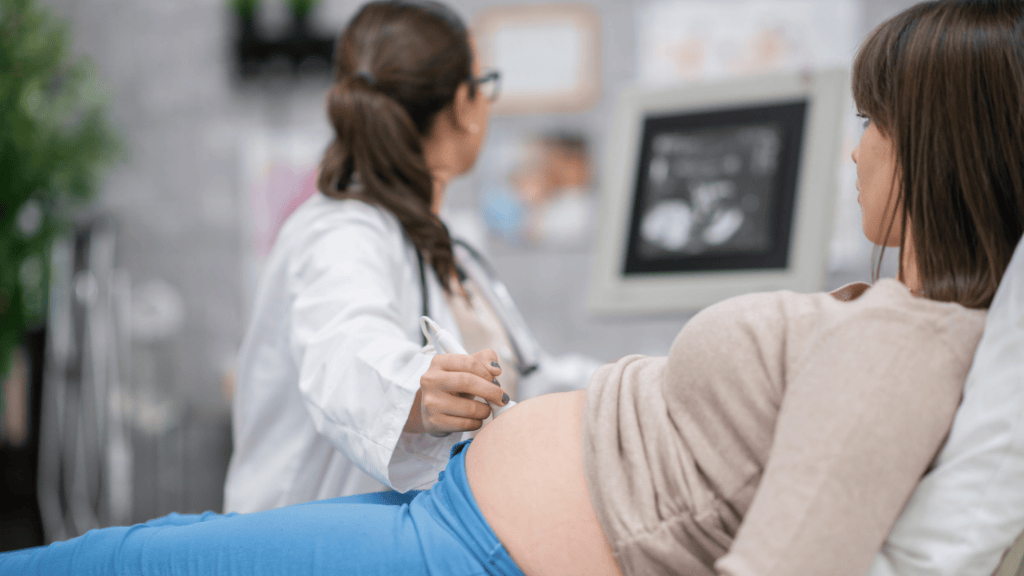
Pregnancy is usually a time full of excitement, but also full of questions about how the pregnancy is progressing and what medical controls are necessary. Many women want to know if their pregnancy is considered a low-risk pregnancy or if it may be a high-risk pregnancy that requires more specific follow-up.
Understanding the difference between these two situations helps to better understand how pregnancy monitoring is organized and what is the role of the obstetrician during this process. For many women living in Telde, Las Palmas, in other areas of Gran Canaria or in Spain, having an obstetrician nearby allows to solve doubts and to carry out an adequate pregnancy control from the beginning.
What it means to have a low-risk pregnancy
A low-risk pregnancy is one in which there are no major medical factors that may increase the likelihood of complications during gestation.
In this type of pregnancy, the evolution is usually normal and the pregnancy is monitored through regular check-ups with the obstetrician and midwife. The purpose of these consultations is to check that both the mother and the baby are progressing correctly. During a low-risk pregnancy, monitoring usually includes:
- regular check-ups with the obstetrician
- follow-up ultrasounds
- analysis during the different quarters
- monitoring the baby's growth
- monitoring maternal well-being
In a pregnancy clinic in Gran Canaria, the follow-up is adapted to each woman and the evolution of her pregnancy.
What is a high-risk pregnancy or risk pregnancy?
A high-risk pregnancy or risk pregnancy is one in which there are certain medical factors that may increase the likelihood of complications during gestation.
This does not necessarily mean that there will be problems, but that the pregnancy needs closer monitoring to ensure the well-being of the mother and baby. Factors that may cause a pregnancy to be considered at risk include:
- certain previous illnesses of the mother
- specific obstetric history
- some conditions that appear during pregnancy
- multiple pregnancies
- certain factors related to gestational development
In these cases, the obstetrician usually schedules more frequent check-ups and additional tests to monitor the progress of the pregnancy.
Differences between low-risk pregnancy and high-risk pregnancy
Understanding the difference between the two types of pregnancy helps reduce the uncertainty that many women feel during pregnancy.
| Type of pregnancy | Tracking characteristics |
|---|---|
| Low risk pregnancy | Regular follow-up with obstetrician and midwife, regular check-ups and normal evolution of pregnancy. |
| Risky pregnancy | Closer follow-up with more frequent check-ups and specific tests to monitor progress |
Although the term risky pregnancy may cause concern, the important thing to know is that the purpose of this classification is simply to adapt medical follow-up to each situation.
The role of the obstetrician during pregnancy monitoring
The obstetrician is the specialist in charge of performing the medical follow-up of pregnancy and to assess the evolution of the pregnancy. During the consultations, the obstetrician reviews different aspects related to the health of the mother and the baby, such as:
- the evolution of the pregnancy
- baby's growth
- the results of the medical tests
- possible symptoms or changes that may appear
In addition, the obstetrician provides guidance on the process of the delivery and about the different decisions that may arise during pregnancy. For many women in Telde or Las Palmas, having an obstetrician in Gran Canaria allows them to have these check-ups close to home and resolve doubts directly.
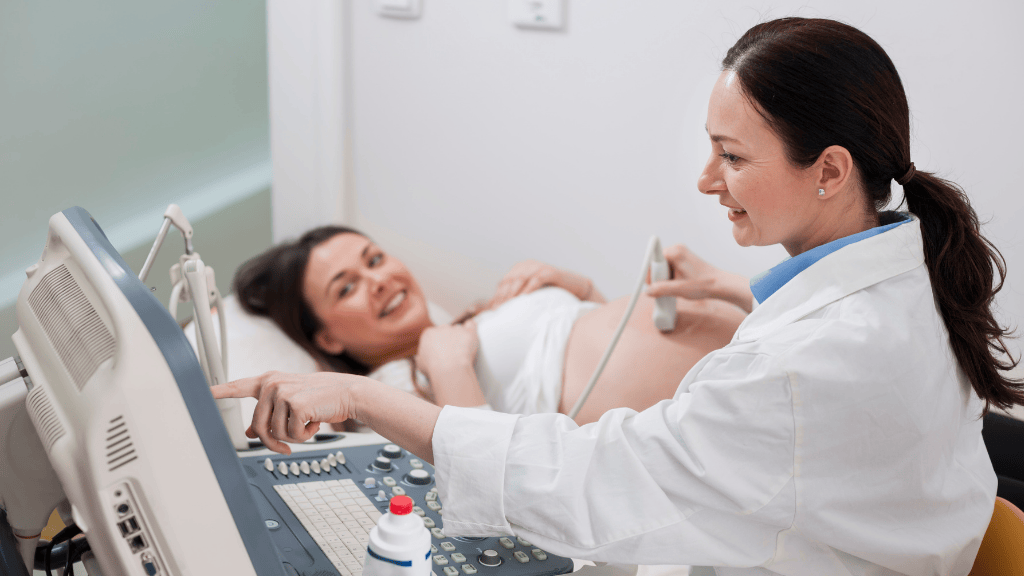
How pregnancy follow-up is organized
Pregnancy monitoring is usually organized in different stages that coincide with the trimesters of gestation.
First trimester of pregnancy
During the first weeks, the first consultations are made to confirm the pregnancy and start the medical follow-up. At this stage, aspects such as the following are reviewed:
- the initial evolution of the pregnancy
- the first symptoms
- the necessary medical tests
Second trimester of pregnancy
In the second trimester, check-ups are carried out to evaluate the baby's development and the general progress of the pregnancy. Many women also begin to learn about childbirth preparation at this stage.
Third trimester of pregnancy
During the last trimester, pregnancy monitoring is intensified and aspects related to childbirth are reviewed. The goal is to ensure that both mother and baby arrive in good condition at the time of birth.
High-risk pregnancy management
When a pregnancy is considered high risk, follow-up is usually more frequent. High-risk pregnancy monitoring may include:
- nearest medical check-ups
- additional tests on a case-by-case basis
- continuous assessment of maternal and infant wellbeing
The aim of this closer monitoring is to detect any changes early and ensure the best possible control of gestation.
Accompaniment during pregnancy
In addition to the medical follow-up with the obstetrician, many women also rely on the support of the matron during pregnancy. Midwives accompany pregnant women during the whole process and help to solve doubts related to:
- the changes of pregnancy
- physical and emotional well-being
- preparation for childbirth
- caring for the baby after birth
In Gran Canaria, many women are looking for an obstetrician in Las Palmas or Telde who works in coordination with midwives to offer a more complete accompaniment during pregnancy.
When to see an obstetrician during pregnancy
Although pregnancy monitoring is usually done through scheduled visits, it is important to consult with your obstetrician when questions or changes cause concern. Some situations in which it is advisable to consult include:
- symptoms that are different from the usual
- severe or persistent discomfort
- significant changes in the mother's general condition
The objective of these consultations is to assess each situation individually and offer peace of mind to the mother-to-be.
Obstetrician in Las Palmas and pregnancy monitoring in Gran Canaria
For many women living in Gran Canaria, having an obstetrician in Las Palmas or Telde makes it easy to follow their pregnancy in comfort. Obstetrics consultations usually focus on:
- pregnancy control
- the evolution of the baby
- preparation for childbirth
- the resolution of doubts during pregnancy
In a pregnancy clinic in Gran Canaria, the follow-up is adapted to each woman and the characteristics of her pregnancy. This professional accompaniment allows you to live your pregnancy with greater peace of mind and to better understand each stage of the process.
Frequently asked questions about high-risk pregnancy and low-risk pregnancy
What is the difference between low-risk pregnancy and risky pregnancy?
Who performs the pregnancy follow-up?
Do all risk pregnancies have complications?
How often is a high-risk pregnancy checked?
Where can I find an obstetrician in Gran Canaria?
Accompaniment during pregnancy
Pregnancy is a unique process for each woman. Understanding the difference between low-risk pregnancy and high-risk pregnancy helps to better understand how medical follow-up is organized and what controls are performed during pregnancy.
Having the support of an obstetrician and a specialized team allows you to resolve doubts, carry out the appropriate follow-up and live this stage with greater peace of mind.
If you wish to receive information or request a consultation, you can contact our team through our contact form to schedule an appointment with the appropriate obstetrician.