English
  Spanish
  Russian
  German

The arrival of menopause marks a stage of important changes in a woman's life. However, many women think that once the menstrual cycle disappears, it is no longer necessary to visit a gynecologist. The reality is that gynecological care after menopause is still essential.
If you are looking for a menopause gynecologist in Las Palmas, gynecologist in Telde or your city of residence, or want to know why checkups are important even after the fertile stage, in this article you will find the keys to take care of your intimate health during menopause and general in this phase.
Why continue to visit the gynecologist after menopause?
Although menopause marks the end of the reproductive stage, gynecological health still requires attention from medical specialists. It is crucial to continue to have gynecological checkups in later life because there are problems that can arise if left unattended. If a doctor examines a woman during this stage, he or she can discover and treat things before they become serious and affect a woman's quality of life. Even after menopause, a regular checkup by an older woman's gynecologist can make all the difference.
Some reasons for maintaining periodic gynecological check-ups are:
- Early detection of gynecological alterations.
- Monitoring of hormonal changes and their effects on the organism.
- Prevention of common pathologies in elderly women.
- Guidance on treatments to improve physical and sexual well-being.
At Ginelux, our team of gynecologists in Las Palmas and gynecologist in Telde offers an approach tailored to each woman, with special attention to the needs of each patient's menopause and postmenopause.
Main changes in gynecological health after menopause
After the cessation of menstruation, the body undergoes hormonal changes that can influence different aspects of intimate and general health. The decrease in estrogen and progesterone not only affects the reproductive system, but also impacts bone, cardiovascular and metabolic health. These changes are progressive and, although natural, can lead to symptoms that impact quality of life if not addressed with proper treatment.
Among the most common changes are the following:
- Vaginal dryness and atrophy, which may cause discomfort or pain during intercourse.
- Loss of elasticity of the pelvic tissues, which may favor the appearance of prolapse.
- Decrease in bone mass, increasing the risk of osteoporosis and fractures.
- Increased likelihood of recurrent urinary tract infections due to changes in vaginal flora.
- Changes in sexual desire and response during intercourse.
- Alterations in the skin and mucous membranes, which become thinner and less elastic.
These symptoms may seem common, but they should not be considered normal. Many women experience them, but that doesn't mean they have to live with them. An experienced gynecologist can offer a variety of medical solutions to help alleviate them and prevent more serious problems in the future. It's important not to assume that these symptoms are just part of life, because there are things you can do about them.
Gynecological examination in the elderly: what does it include?
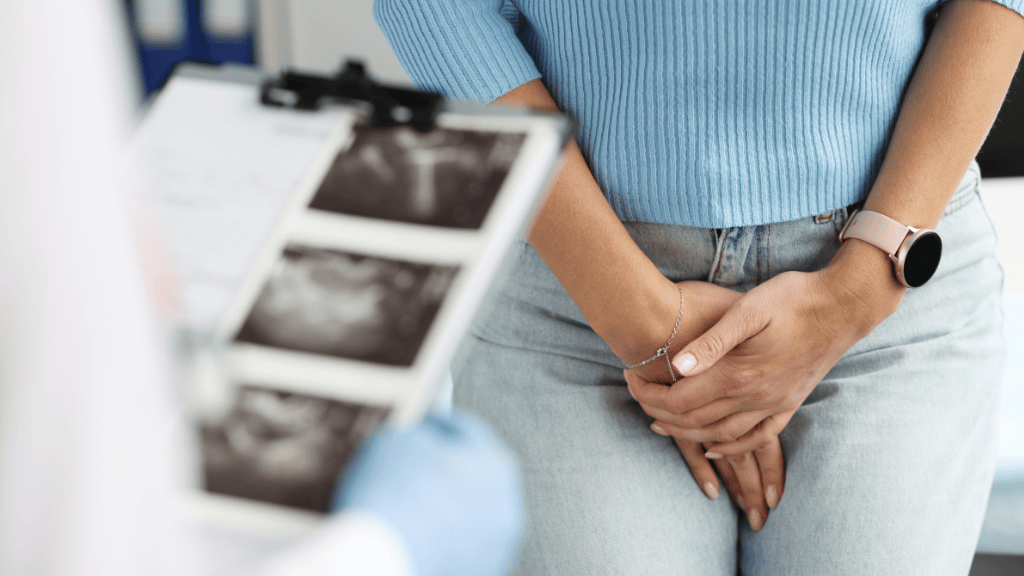
The gynecological check-up in older women or in the menopausal stage is not very different from that of previous stages, but it is adapted to the risks and needs of each age. This means that, although the usual examinations such as cytology or ultrasound are still performed, the focus is on the early detection of diseases associated with maturity, such as gynecological cancer, osteoporosis or recurrent urinary tract infections.
In many cases, the consultation also includes an evaluation of the state of the pelvic floor and guidance on treatments to alleviate symptoms such as vaginal dryness, pelvic pain or urinary incontinence. In addition, the consultation can be used to resolve doubts about sexuality, hormonal therapies or habits that promote healthy aging.
Generally includes:
- Interview on history, symptoms and recent changes.
- Physical and gynecological examination to assess the state of tissues and mucous membranes.
- Transvaginal ultrasound to evaluate the uterus, endometrium and ovaries.
- Cytology for early detection of cervical lesions.
- Assessment of vaginal and pelvic floor health.
- Advice on sexual health, infection prevention and general wellness.
In addition, complementary tests such as mammography or bone densitometry may be recommended.
Treatments and solutions to improve quality of life during menopause
Today, gynecology offers safe and effective options to treat menopausal symptoms and improve intimate health without the need for surgery. At Ginelux, we offer some of the most requested gynecological treatments, which are as follows:
Vaginal laser for intimate health and rejuvenation
This vaginal laser treatment consists of a minimally invasive technique that helps to recover the elasticity, hydration and firmness of the vaginal mucosa, reducing dryness and improving the quality of life. More information here: Gynelase laser: vaginal rejuvenation without surgery
Vaginal Platelet Rich Plasma (PRP)
Stimulates tissue regeneration and improves natural lubrication. It is especially useful for women with vaginal dryness or discomfort resulting from menopause. You can read more here: Vaginal PRP: treatment for dryness and menopause
Comprehensive menopause treatment
It includes a medical check-up, advice on lifestyle habits and, if necessary, personalized hormone therapy for each patient. Find out more about this approach in our blog article: Menopause: symptoms, treatment and professional support
Recommendations for gynecological health care after menopause
In addition to regular visits to the gynecologist, there are habits that can make a difference in daily wellness:
- Maintain a balanced diet rich in calcium and vitamin D to protect bones.
- Engage in regular physical activity to improve circulation and muscle tone.
- Avoid smoking and moderate alcohol consumption.
- Practice pelvic floor exercises to prevent urinary incontinence.
- Use vaginal lubricants or moisturizers if necessary.
- Consult any new symptom or change in intimate health.
When to go before the annual checkup
Although it is ideal to have a gynecological check-up every year, there are situations that require an immediate appointment with a specialist. See a gynecology specialist if you experience any of these symptoms:
- Vaginal bleeding after menopause.
- Persistent pain or discomfort in the pelvic area.
- Urinary incontinence affecting quality of life.
- Intense vaginal dryness or painful intercourse.
- Appearance of lumps or masses in breasts or genitals.
Menopause does not mean the end of gynecological care. Continuing to go for check-ups with a menopause gynecologist in Las Palmas or Telde is key to maintaining intimate health, preventing problems and enjoying a good quality of life.
If you want a personalized follow-up by a gynecologist and adapted to this stage, make an appointment with our team of specialists: Request gynecological appointment at Ginelux.
Frequently asked questions about gynecology and menopause
How often should I see a gynecologist after menopause?
At least an annual checkup is recommended, even if there are no apparent symptoms, as some diseases show no signs in the early stages. However, if symptoms such as bleeding, pelvic pain or changes in intimate health arise, it is important to visit sooner. Maintaining regularity in these check-ups helps prevent complications and allows for early treatment.
Does the gynecologist in Las Palmas and Telde treat only reproductive issues?
No. Gynecologists attend all stages of a woman's life, from adolescence to old age. In menopause and postmenopause, the specialist focuses on preventing and treating symptoms related to hormonal changes, improving sexual health and controlling pathologies typical of this stage, such as osteoporosis or genital prolapse.
What are the advantages of going to one of the best gynecologists in Las Palmas in the postmenopausal stage?
An experienced specialist not only offers an accurate diagnosis, but also has advanced technology to perform tests quickly and safely. In addition, he or she can propose personalized treatments, combining modern techniques such as vaginal laser or PRP with recommendations for healthy habits, ensuring a comprehensive approach to health.
Can I improve vaginal dryness without medication?
Yes, there are options such as vaginal laser or PRP that stimulate natural tissue regeneration, promote collagen production and improve hydration without the need for drugs. These techniques offer long-lasting results and, combined with vaginal moisturizers, help maintain intimate comfort on a daily basis.
Why is gynecological screening important in the elderly?
Because it allows early detection of problems such as gynecological cancer, recurrent infections or hormonal alterations, even before there are obvious symptoms. In addition, it is an opportunity to receive guidance on sexuality, intimate care and prevention of diseases associated with aging.