English
  Spanish
  Russian
  German
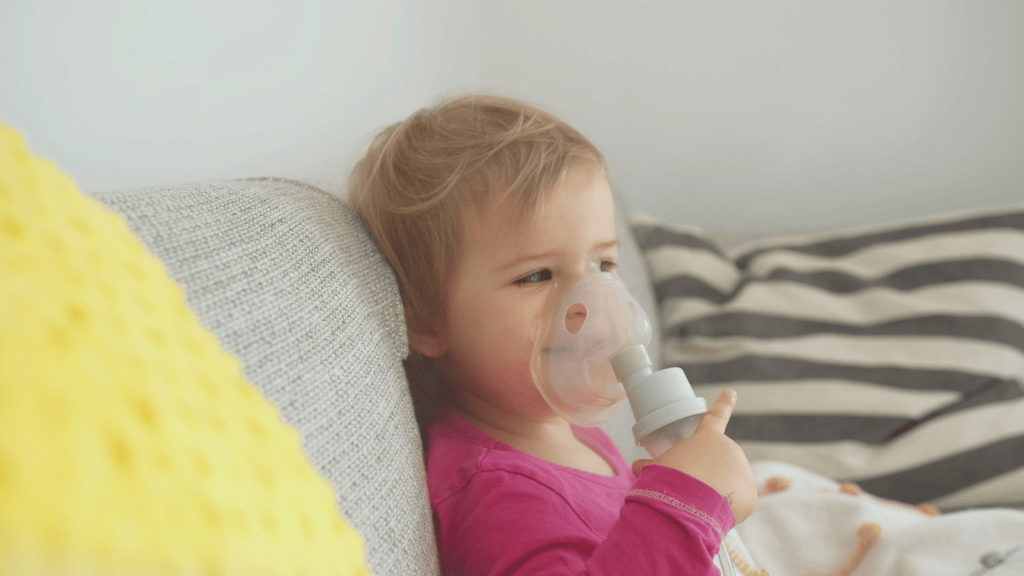
Frequent respiratory infections in children are one of the most common reasons for consultation in pediatrics. Episodes of cough, snot, nasal congestion or fever are normal during childhood, especially at certain times of the year or at the beginning of kindergarten or school. Even so, for many families it is not always easy to distinguish when it is a common process and when it is convenient to make an appointment with a pediatrician.
For mothers and fathers living in Telde, Las Palmas or in other parts of Gran Canaria, having a pediatrician nearby helps to assess the child's symptoms, solve doubts and make an adequate follow-up of its evolution. In this article we explain which are the most frequent respiratory infections in children, what symptoms usually appear and in which situations it may be advisable to visit a pediatrician's office in Gran Canaria.
What are respiratory infections in children?
Respiratory infections in children are processes that affect the respiratory tract and can occur in the nose, throat, larynx, bronchi or lungs. In most cases they are caused by viruses, although sometimes bacteria can also be involved.
During the first years of life, it is common for children to experience several respiratory episodes per year. This is because their immune system is still maturing and they are often more exposed to contact with other children in day-care centers, schools or shared activities.
Therefore, when parents look for a pediatrician in Telde, a pediatrician in Las Palmas or a pediatric service in Gran Canaria, they often do so because their child has persistent mucus, recurrent cough, fever or respiratory discomfort that causes them concern.
Why respiratory infections are so common in childhood
Childhood respiratory infections are especially common because young children are still developing defenses against many common viruses. In addition, by touching surfaces, sharing toys or living with other children, infection is easily spread.
Not every time a child gets sick, it means he or she has a major problem. In fact, having several respiratory infections a year can be part of normal childhood. The important thing is to assess how each episode evolves, how long the symptoms last and whether there are signs that indicate the need to visit the pediatrician.
In a pediatric clinic in Las Palmas or Gran Canaria, this type of consultation is very common and allows to differentiate between mild conditions and situations that need a more detailed assessment.
Frequent respiratory infections in children
There are different types of respiratory infections in childhood. Some affect the upper respiratory tract, such as the nose or throat, and others affect the lower respiratory tract, such as the bronchi or lungs.
Common cold
The common cold is probably the most common respiratory infection in children. It usually causes nasal congestion, sneezing, snot, cough and general malaise. In many cases it improves progressively with the passing of days.
It is common for parents to worry when a child has one cold after another, especially in the first years of schooling. However, this may be to be expected in the pediatric age group.
Pharyngitis
Pharyngitis affects the throat and may cause painful swallowing, irritation and fever. Sometimes it is accompanied by general malaise and less desire to eat. Although many pharyngitis are viral, in some cases the pediatrician can assess whether it requires a more specific study.
Laryngitis
Laryngitis is another common respiratory infection in children and is usually associated with a dry cough, hoarseness or a very characteristic cough. When parents notice that the child's voice has changed or that the cough sounds different, it is common for them to request an appointment with a pediatrician for evaluation.
Bronchiolitis
Bronchiolitis occurs mostly in infants and young children. It can cause coughing, mucus, difficulty feeding and, in some cases, a feeling of labored breathing. It is one of the respiratory conditions of greatest concern in the first months of life.
Bronchitis
Bronchitis affects the bronchi and can cause persistent coughing and wheezing. Its evolution depends on each child, so a pediatric review can help determine how the child is doing and what measures should be followed.
Respiratory symptoms in children: what do parents usually notice?
When a respiratory infection occurs in children, symptoms can vary in intensity. Some children have only mucus and some coughing, while others are more runny or have a fever.
| Symptom | What it may indicate | When to consult a pediatrician |
|---|---|---|
| Cough | Irritation or infection of the respiratory tract | If it is intense, persistent or interferes with sleep |
| Nasal congestion | Cold or upper respiratory tract infection | If it makes it very difficult to eat, sleep or breathe |
| Fever | Response of the organism to infection | If it lasts longer than expected or is of concern because of its intensity |
| Malaise or decay | The child is more tired or less active | If the general condition worsens or does not improve with the passage of hours |
| Respiratory distress | May indicate increased effort to breathe | You should be evaluated by a pediatrician as soon as possible. |
This type of chart helps parents to better identify the symptoms, but does not replace a clinical assessment. If you have any doubts, the wisest thing to do is to make an appointment with your pediatrician.
When to make an appointment with a pediatrician
One of the great doubts of families is to know when it is convenient to go for consultation. Many children's respiratory infections get better on their own with rest, hydration and follow-up at home, but there are situations in which it may be advisable to consult a professional.
In general, it may be a good idea to make an appointment with a pediatrician when:
- Fever persists or recurs.
- Cough is severe or lasts longer than expected.
- The child breathes with increased effort or appears fatigued.
- There is conspicuous refusal of food or liquids.
- The general condition is of concern to the family.
- Symptoms do not improve or worsen as the days go by.
For many families, having a pediatrician in Las Palmas, a pediatrician in Telde or a pediatrics service in Gran Canaria makes this type of follow-up much easier, especially when dealing with young children.
Difference between mild respiratory infections and conditions needing revision
Not all colds or respiratory processes have the same evolution. Some last only a few days and hardly alter the child's activity, while others affect rest, appetite or general well-being more.
One of the most important functions of the pediatrician is precisely to assess whether the picture fits with a mild respiratory infection in children or if there are any signs that suggest a more complete review. This provides peace of mind to the family and avoids both over-alarming and underplaying the importance of symptoms that should be monitored.
When parents come to a pediatric clinic in Las Palmas, they are usually not only looking for treatment, but also for clear guidance on what to expect and how to accompany the child at home.
How to prevent frequent respiratory infections in children
Although they cannot always be avoided, there are simple measures that help reduce the risk of contagion and improve children's health habits.
Hand washing
Hand washing remains one of the most important measures to reduce the transmission of respiratory viruses, both at home and at school.
Ventilation of spaces
Keeping spaces well ventilated can help reduce the concentration of viruses in closed environments.
Avoid contact with sick people whenever possible.
Especially in infants or younger children, trying to reduce direct exposure to people with symptoms may be helpful.
Pediatric follow-up
Having a pediatric review when the child needs it helps to confirm that the evolution is adequate and to receive personalized recommendations.
Common mistakes when a child has a respiratory infection
When a child becomes ill, it is logical for parents to want to act quickly. Even so, there are some common mistakes to avoid.
Waiting too long when the general condition is of concern
Sometimes families try to hold off for several days before consulting, even if they notice that the child is worse, eating poorly or breathing more difficult. If something does not fit or causes concern, a pediatric assessment can provide clarity.
Searching for answers on the internet only
The Internet can help with orientation, but it is also confusing. Two children with similar symptoms may need different assessments. So, when in doubt, making an appointment with a pediatrician is often more helpful than looking for general answers.
Thinking that all respiratory infections are the same
Not all evolve in the same way. A mild cold is not the same as bronchiolitis or laryngitis, and each condition may require a different observation.
The importance of follow-up in pediatrics
When a child presents with frequent respiratory infections, pediatric follow-up is especially valuable. It allows not only to assess the current episode, but also to observe if the processes are repeated, how the child recovers and if there are patterns to be taken into account.
For families looking for pediatrics in Gran Canaria, having a professional of reference helps to resolve doubts more quickly and to make decisions with more security. In addition, having access to a pediatrician in Telde or Las Palmas makes it easier to make consultations without having to travel too far when the child is uncomfortable or has a fever.
Pediatrician in Telde, pediatrician in Las Palmas and pediatric care in Gran Canaria
When parents are looking for a pediatrician in Telde, a pediatrician in Las Palmas or a pediatric clinic in Las Palmas, they usually need a close, clear and adapted attention to the child's age. In this type of consultation, frequent symptoms such as cough, snot, fever, throat discomfort or respiratory difficulty are evaluated, and many common questions about the evolution of the condition are also answered.
Pediatrics in Gran Canaria is not only limited to treating illnesses. It also plays an important role in accompanying and educating families. Understanding when a respiratory infection can be part of the usual and when it needs revision is one of the most common doubts in consultation.
At Ginelux, a clinic located in Telde, the pediatric team attends families from different areas of Gran Canaria, including Las Palmas, Vecindario, Maspalomas or Playa del Inglés. During the pediatric consultation, the child's symptoms are evaluated, the parents are guided on the evolution of the condition and follow-up is offered when necessary. Therefore, having a pediatric service nearby can make the difference at times when parents need quick and professional guidance.
What can the pediatrician assess in a consultation for respiratory infection?
In a pediatric consultation for respiratory symptoms, the professional can review different aspects to better understand the child's situation. For example:
- How the symptoms have started.
- How long have they been present.
- If there is fever, cough or nasal congestion.
- How the child is breathing.
- If he eats, drinks and rests normally.
- How is your general condition.
This pediatric assessment helps to guide the family on the expected evolution and on the steps to be taken. For many parents, being able to make an appointment with a pediatrician when the child presents with respiratory symptoms brings peace of mind.
Frequently asked questions about respiratory infections in children
Is it normal for a child to have several respiratory infections per year?
When should I make an appointment with a pediatrician for cough?
Do childhood respiratory infections always need antibiotics?
What is the most common respiratory infection in children?
Where can I find a pediatrician in Telde or Las Palmas?
Pediatric support to solve respiratory doubts in infancy
Frequent respiratory infections in children are part of the daily life of many families, especially in the first years of life. Knowing what symptoms may be common, when to observe the evolution at home and when it is advisable to make an appointment with a pediatrician helps to face these episodes with more peace of mind.
If you are looking for a pediatrician in Telde, a pediatrician in Las Palmas or pediatric care in Gran Canaria to assess respiratory symptoms in your child, in Ginelux we can help you. You can request your appointment through the contact form and our team will guide you to schedule a consultation with the corresponding specialist.