English
  Spanish
  Russian
  German
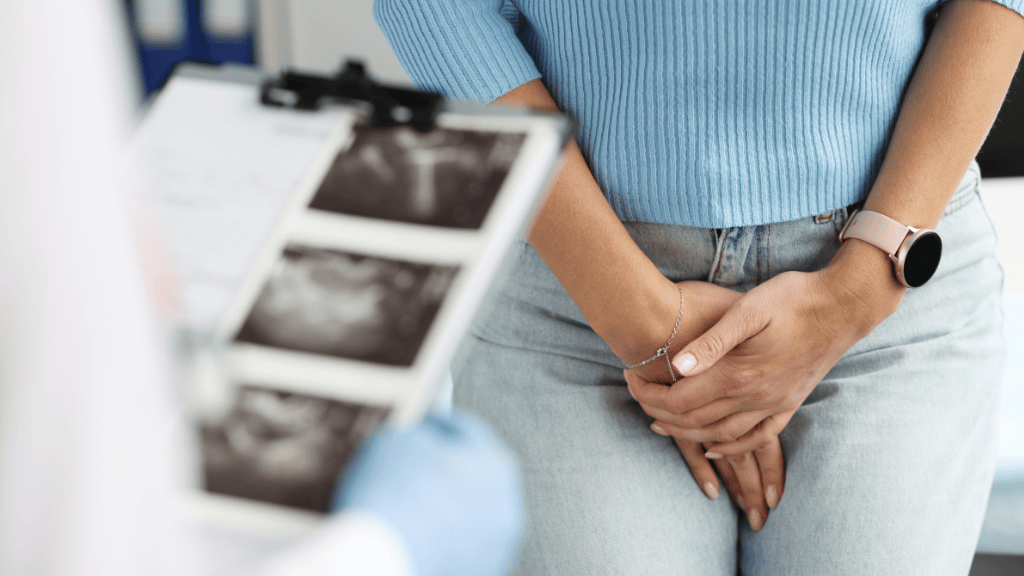
A complete gynecological checkup after the age of 40 is one of the most important pillars of women's health. At this stage of life, cytology, pap smears and cervicovaginal cytology become essential to prevent diseases and detect alterations in time. Many women come to a preventive gynecological consultation in Telde, Las Palmas, Vecindario, Agaete, Playa del Inglés, Maspalomas or in their place of residence with doubts about exactly what tests they need and how often they should have them done. This article clarifies all those questions to help you make informed decisions and maintain an adequate gynecological control.
Starting at age 40, the female body undergoes natural changes related to perimenopause, menstrual alterations, metabolism and hormonal health. A complete gynecological checkup is not just a checkup; it is a key tool to anticipate any problems. At Ginelux, where specialists such as Ramón Santana García, Mónica Álvarez Sánchez, Eleazar Bravo Moreno, Elena Torres Castellano, Rosa Rodríguez de la Mano, Lucía González Sánchez and Marta de Luis work, the objective is to accompany each woman with a close and preventive approach.
The article explains the tests that really matter, the criteria for knowing when to perform them, the most frequent errors and how to take advantage of the annual gynecological checkup as part of women's self-care.
Why a complete gynecological checkup is more important than ever at age 40 and beyond
Between the ages of 40 and 50, the female body often enters a phase of changes that can go unnoticed if not checked in time. Hormonal transition, menstrual irregularities, the first symptoms of perimenopause, increased risk of cervical lesions or breast changes are signs to watch out for.
A complete gynecological examination helps to detect alterations in early stages, even before symptoms appear. In addition, it allows to keep an adequate control of the gynecological history, to compare results year after year and to prevent complications in the future.
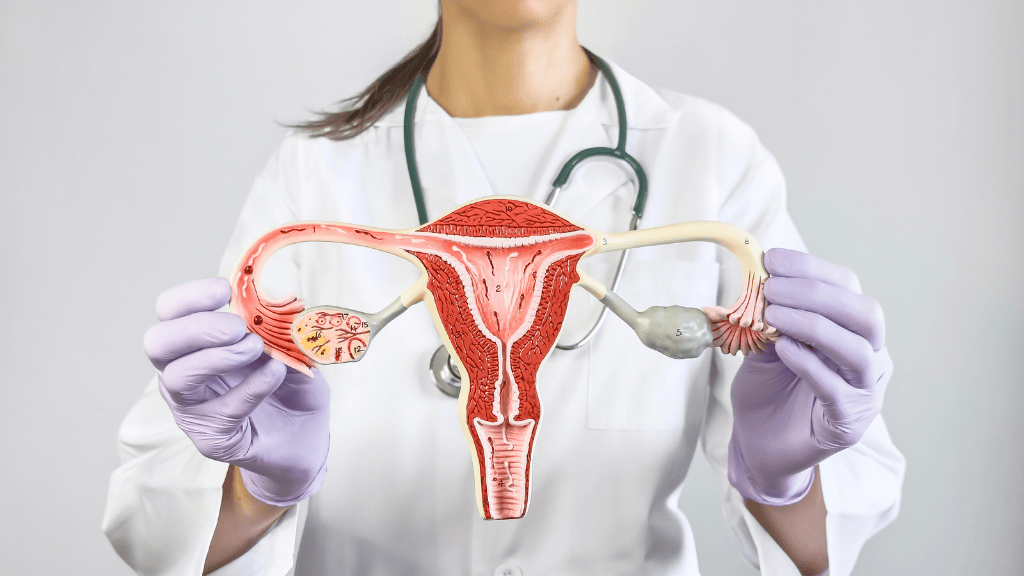
Among the most important tests are cytology, pap smear, HPV test, gynecological ultrasound, transvaginal ultrasound, mammography and female hormone analysis. These tests are complementary to each other and provide valuable information about the health of the cervix, uterus, ovaries, breasts and hormonal balance.
What is included in a complete gynecological check-up after the age of 40?
Although each woman requires a personalized assessment, there are tests that are generally recommended. These tests are considered basic for a good gynecological control at this stage.
Cytology or pap smear
Cervicovaginal cytology is a fundamental test to prevent cervical cancer. It consists of taking a sample of cells from the cervix to evaluate if they present alterations. After the age of 40, this test is especially relevant due to the possibility of cellular changes related to the human papillomavirus.
HPV test
This test detects the virus responsible for most cervical lesions. Although its use depends on the recommendations of the specialist, it is usually performed in conjunction with cytology. Combined, both tests increase the accuracy of screening.
Gynecologic ultrasound and transvaginal ultrasound
Ultrasound is one of the most complete tools to evaluate the condition of the uterus, ovaries and endometrium. It can detect fibroids, cysts, polyps, changes in the thickness of the endometrium or structural alterations. It is a quick, painless and very useful test in a complete gynecological examination.
Mammography after 40 years of age
International guidelines recommend starting mammograms around this age, especially in women with a family history. Mammography helps detect changes in breast tissue before they are palpable.
Female hormone analysis
Between the ages of 40 and 50, hormone levels tend to fluctuate. Hormone analysis allows to evaluate the levels of estrogen, progesterone, FSH and other hormones related to ovarian function. This test is very useful to interpret symptoms such as menstrual irregularities, hot flashes or sleeping difficulties.
Other tests that may be part of the gynecological control after 40 years of age
In addition to the main tests, there are others that may be necessary depending on the clinical history, symptoms or specialist recommendations.
Vaginal discharge test
Useful when there is discomfort, odor changes, frequent infections or abnormal discharge.
Pelvic floor study
From the age of 40 many women begin to notice weakness in the pelvic floor, especially after previous pregnancies. This can lead to urine leakage or discomfort during sexual intercourse.
Gynecologic cancer risk assessment
It includes hereditary factors, habits, menstrual history and family history.
What symptoms does the gynecologist check for after the age of 40?
Many women go for a check-up only when discomfort appears, but there are symptoms that should never be ignored:
- Irregular or different from usual bleeding
- Severe menstrual changes
- Frequent pelvic pain
- Discomfort during sexual intercourse
- Persistent abnormal discharge
- Sensation of pressure in the pelvis
- Chest changes
- Vaginal dryness or pain during intercourse
At Ginelux, and in specialties such as women's intimate health treated at the center, these symptoms are assessed in detail to determine if they require additional testing or specific follow-up.
How often should you have a complete gynecological checkup?
The general recommendation is to have a complete gynecological checkup once a year. However, after the age of 40 it may be necessary to perform some tests more frequently, depending on family history, menstrual history, the presence of HPV or changes in the cycle.
In women with a history of cervical lesions, fibroids, endometriosis or irregular cycle, the review can be advanced to every 6 months. A specialized consultation like the one at Ginelux in Telde helps to define the appropriate frequency for each case.
Common errors in gynecological examination after 40 years of age
There are common errors that can affect the prevention and early detection of women's health problems:
Thinking that if there are no symptoms, it is not necessary to check
Many gynecological diseases do not produce symptoms until advanced stages.
Relying exclusively on a single test
Cytology, ultrasound or mammography are not substitutes for each other. They all provide complementary information.
Delaying the review because of fear or lack of time
Time plays an important role in early detection.
Failure to report family history
The background directly influences the evidence required.
Failure to follow up on previous results
Comparing studies from year to year allows subtle changes to be detected.
Annual gynecological check-up in Telde, Las Palmas and the south of Gran Canaria
The annual gynecological check-up is especially recommended for women who, due to work or lifestyle, tend to delay their check-ups. In areas such as Telde, Vecindario, Playa del Inglés, Agaete or Maspalomas, many women come to Ginelux looking for a close and accessible consultation where they can have a regular follow-up.
The Ginelux medical team, formed by professionals such as Ramón Santana García, Mónica Álvarez Sánchez, Eleazar Bravo Moreno, Elena Torres Castellano, Rosa Rodríguez de la Mano, Lucía González Sánchez and Marta de Luis, offers a comprehensive approach based on early detection and accompaniment during all stages of women's health. You can meet the whole team at
In addition, the center has specific areas such as women's health y general gynecology, This allows for structured and personalized care according to the needs of each patient.
Prevention and gynecological control: a decision that makes a difference
Prevention is one of the most valuable tools in women's health. A proper gynecological control allows us to detect diseases early, treat alterations before they progress and better understand the changes that the body undergoes between the ages of 40 and 50.
A complete gynecological checkup is, in this sense, an investment in future wellness. Including cervicovaginal cytology, HPV testing, gynecological ultrasound, mammography and hormone analysis in the annual follow-up helps to maintain stable health and make informed decisions.
Frequently asked questions about gynecologic screening after age 40
How often should you have a Pap smear?
In general, every 1 to 3 years depending on the clinical history and the result of previous tests. The specialist will determine the ideal interval.
What is the difference between cytology and HPV testing?
Cytology analyzes the cells of the cervix, while the HPV test detects the presence of the virus that can cause cervical alterations. Together they form a complete screening.
Is it normal to have irregular periods at 40?
Perimenopause can cause irregular cycles, but should always be evaluated to rule out other causes such as polyps, fibroids or hormonal changes.
Does mammography hurt?
It can be uncomfortable, but not painful for most women. It is a brief test and very important for early detection.
When to consult before the annual check-up?
If there is irregular bleeding, persistent pelvic pain, abnormal discharge, discomfort during sexual intercourse or breast changes, it is advisable to consult without waiting for the annual check-up.
If you need a complete gynecological check-up, we are in Telde.
If you want a complete gynecological check-up in Telde, Las Palmas, Maspalomas, Agaete, Vecindario or Playa del Inglés, you can consult with the Ginelux team. Prevention is one of the best ways to take care of your health.
You can request an appointment with the gynecologist in our contact form and we inform you how to schedule an appointment at our gynecological center.