




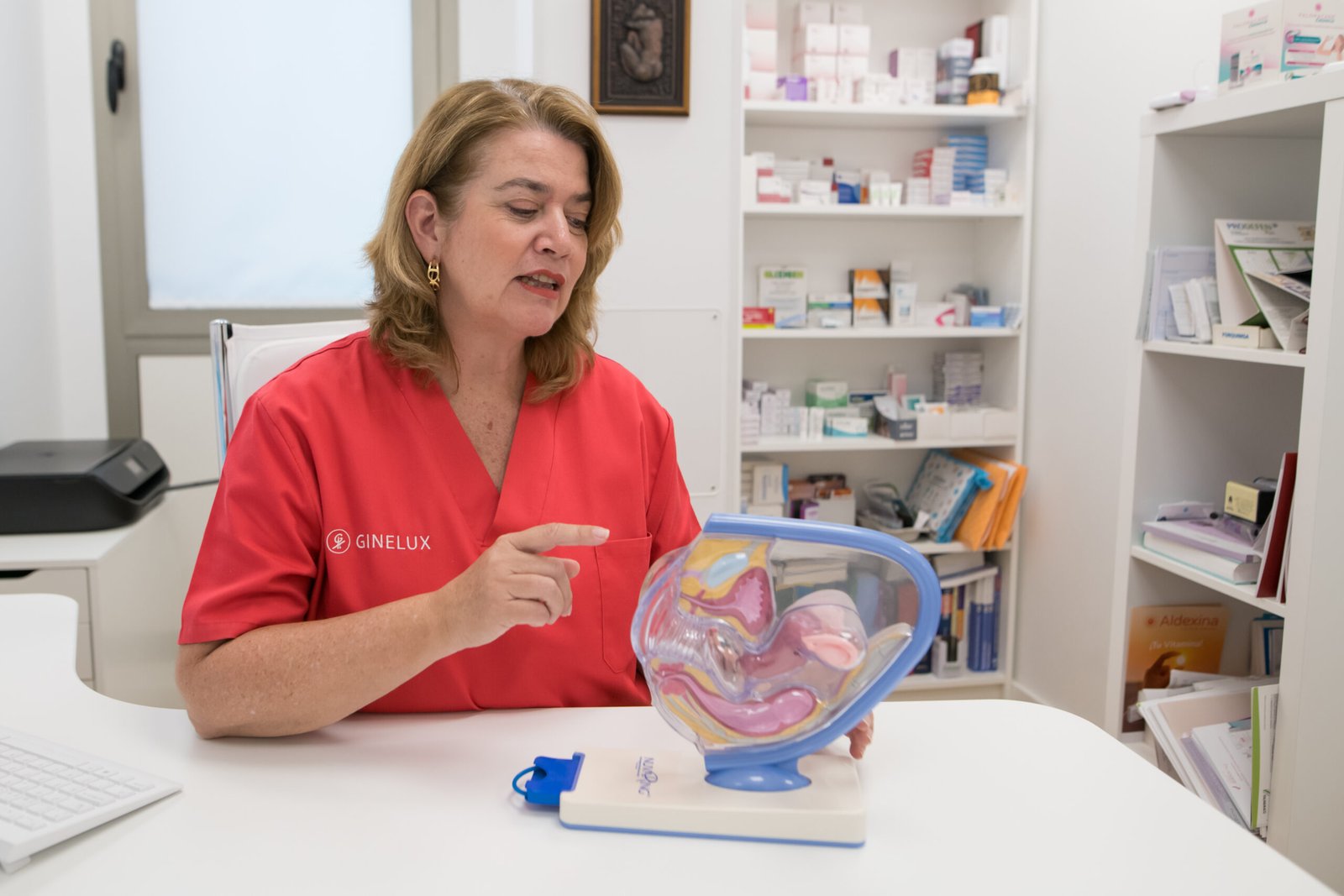
Vaginal atrophy is one of the most frequent intimate discomforts in women after menopause, although it often remains a topic that is hardly talked about. Vaginal dryness, burning, discomfort during sexual intercourse or the feeling of constant irritation can affect the physical and emotional well-being of many women in Las Palmas, Telde and other municipalities of Gran Canaria.
Despite being very common, many patients delay the visit to the gynecologist thinking that these symptoms are “normal with age”. However, there are now treatments and solutions that can help improve quality of life and restore intimate comfort without the need for surgery and, in some cases, without hormones.
At Ginelux, a center specialized in women's health in Telde, the gynecology team accompanies every day women from Las Palmas, Vecindario, Maspalomas, Playa del Inglés, Agaete and other parts of Gran Canaria who seek guidance on symptoms related to menopause, vaginal dryness or intimate changes associated with hormonal alterations.
What exactly is vaginal atrophy?
Vaginal atrophy is a progressive change of the vaginal tissue mainly related to the decrease of estrogens. These hormones are essential for maintaining the elasticity, lubrication and natural thickness of the vaginal mucosa. When hormone levels decrease, vaginal tissue can become thinner, sensitive and dry. This can lead to discomfort that affects both day-to-day life and intimate life.
Nowadays, many specialists also use the term genitourinary menopausal syndrome, since in addition to vaginal symptoms, urinary discomfort may also occur.
Symptoms of vaginal atrophy
Symptoms may appear gradually and many women take time to relate them to a gynecological problem. Among the most frequent symptoms are:
- Vaginal dryness
- Intimate itching
- Vaginal burning
- Irritation or stinging sensation
- Discomfort during sexual intercourse
- Reduced natural lubrication
- Sensation of vaginal tightness
- Light bleeding after intercourse
- Frequent urinary tract infections
- Slight urine leakage
- Sensation of pelvic pressure or discomfort
In many cases, these symptoms end up affecting rest, emotional well-being or even personal confidence.
Why does vaginal atrophy appear?
The most common cause is the hormonal decline associated with menopause. However, it is not the only situation in which it can appear.
Lack of estrogen reduces the natural production of collagen and lubrication in the intimate area, causing the vaginal tissue to lose elasticity and hydration capacity.
Situations in which it can develop
Although usually associated with menopause, vaginal atrophy can also occur at other times:
- Perimenopause
- Postpartum
- Breastfeeding
- Oncological treatments
- Ovarian removal
- Significant hormonal changes
- Some specific medical treatments
Therefore, younger women may also experience similar symptoms related to vaginal dryness or intimate discomfort.
Intimate changes that many women normalize
One of the big problems is that many patients think that these discomforts are inevitable with age. In consultation, it is common for patients to explain that they have been living for years with pain during sexual intercourse, itching or a constant sensation of dryness without having consulted before.
However, there are currently multiple alternatives to improve these symptoms and recover intimate well-being. Talking to a specialized gynecologist can help identify the origin of the discomfort and assess which options are most appropriate in each case.
How does vaginal atrophy affect quality of life?
Although sometimes minimized, intimate health has an important impact on overall well-being.
Vaginal dryness or pain during intercourse can lead to insecurity, affect self-esteem and cause constant discomfort in daily activities. Some women also experience discomfort when exercising, walking or sitting for long periods of time.
For this reason, more and more gynecology specialists insist on the importance of addressing these symptoms early.
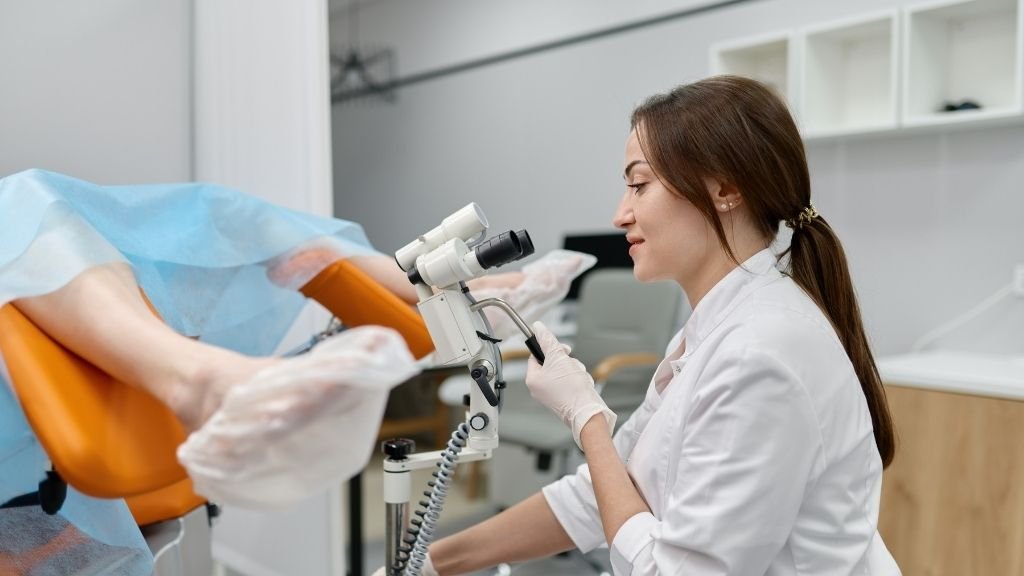
Treatments for vaginal atrophy and intimate dryness at Ginelux
Treatment of vaginal atrophy must be tailored to the individual woman. Not all patients present the same symptoms or have the same hormonal stage, medical history or intimate needs. For this reason, Ginelux performs a personalized gynecological assessment before recommending any option.
Treatment options for vaginal atrophy and intimate dryness
| Treatment | When can you help? | Type of approach |
|---|---|---|
| Vaginal moisturizers and lubricants | Occasional vaginal dryness, discomfort during intercourse, or lack of lubrication. | Temporary relief of intimate comfort |
| Local hormonal treatments | Vaginal atrophy associated with hormonal changes, when indicated. | Local medical treatment in selected cases |
| GyneLase CO₂ Laser | Vaginal dryness, vaginal atrophy, loss of elasticity, discomfort during intercourse or mild urinary incontinence. | Intimate treatment without surgery that stimulates collagen and elastin |
| Vaginal PRP | Dryness, irritation, loss of natural lubrication or need for regeneration of vaginal tissue | Biological therapy with proprietary growth factors |
| Cellular Matrix | Loss of hydration, elasticity, firmness or symptoms associated with vaginal atrophy | Cellular regeneration and improvement of tissue quality |
| Emsella chair | Urinary leakage, pelvic floor weakness, postpartum recovery or prevention of mild prolapse. | Deep pelvic floor strengthening without surgery |
| Vaginoplasty with GyneLase CO₂ Laser | Loss of vaginal tone after childbirth, aging or hormonal changes | Non-surgical vaginal tightening according to medical assessment |
| Surgical Vaginoplasty | Cases in which there is a functional or anatomical alteration that requires more specific correction. | Customized surgical procedure |
| Labiaplasty | Discomfort when dressing, playing sports, maintaining relationships or desire for esthetic and functional correction. | Intimate surgery of labia minora or labia majora |
| Perineal scar revision | Painful, retracted or poorly healed scars after episiotomies or tears | Functional corrective surgery of the perineum |
In cases involving vaginal atrophy, intimate dryness or discomfort during intercourse, less invasive options such as GyneLase CO₂ laser, vaginal PRP, Cellular Matrix or supportive treatments such as moisturizers and lubricants are usually assessed first. When there are anatomical changes, specific functional discomfort or painful scarring, the medical team may assess intimate surgery procedures on a case-by-case basis.
You can learn more about the regeneration and intimate well-being, the menopause unit and the area of surgery and intimate rejuvenation.
The key is not to apply a standard solution, but to understand what each woman needs and to choose the most appropriate approach after a personalized gynecological assessment.but to understand what each woman needs and to choose the most appropriate approach after a medical assessment.
Common mistakes when seeking solutions for vaginal dryness
Often, when symptoms such as vaginal itching or dryness appear, some women resort only to moisturizing products without a gynecological evaluation.
Although some symptoms may be mild, in other cases they may be related to hormonal alterations, infections, irritations or gynecological problems that require professional evaluation.
Other frequent errors are:
- Normalizing pain during sexual intercourse
- Delaying medical consultation for years
- Self-medicate
- Use of irritant products without supervision
- Thinking that symptoms “are normal” and have no solution
When to see a gynecologist in Las Palmas or Telde
It is advisable to make an appointment with a gynecologist if symptoms such as:
- Persistent vaginal dryness
- Frequent intimate itching or burning
- Pain during sexual intercourse
- Slight urine leakage
- Important changes during menopause
- Constant discomfort in the intimate area
At Ginelux, many patients come from Telde, Las Palmas, Vecindario, Agaete, Maspalomas or Playa del Inglés seeking guidance on intimate symptoms that affect their daily well-being.
A personalized gynecological assessment allows us to study the origin of the discomfort and guide the most appropriate options for each woman.
Frequently asked questions about vaginal atrophy
Does vaginal atrophy only affect older women?
Is vaginal dryness always related to menopause?
Is it normal to have pain during sexual intercourse?
When should I see a gynecologist for vaginal itching or burning?
Are there hormone-free treatments to improve vaginal dryness?
At Ginelux we work to accompany women in all stages of their intimate health through a close, personalized approach tailored to each patient.
If you would like to contact the Ginelux team or request an evaluation, you can do so at our contact form.
*This article is for information purposes only and does not replace professional medical evaluation. For any symptom or discomfort, always consult a specialized gynecologist.