




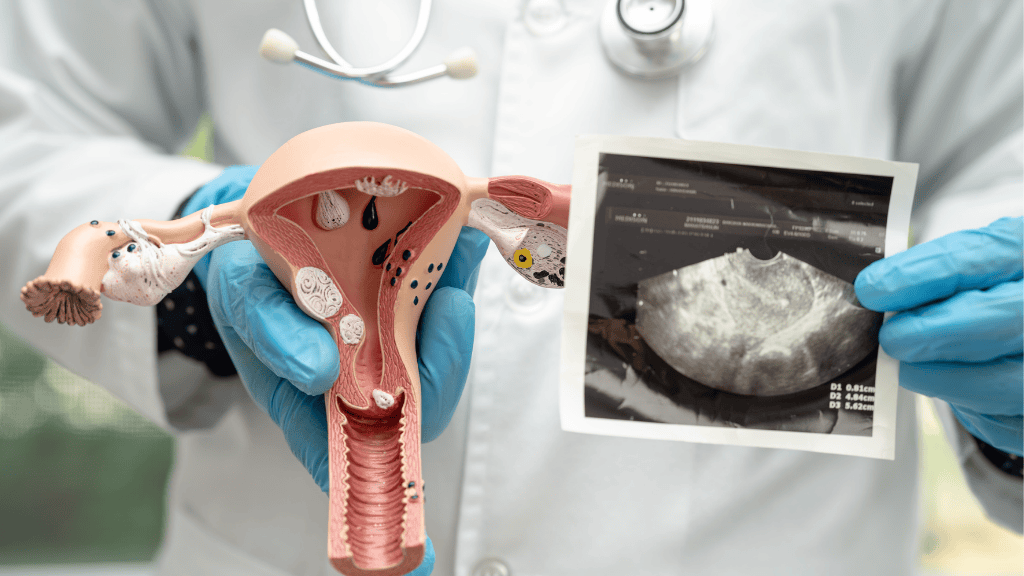
Polycystic ovary syndrome (PCOS) is a common hormonal disorder in women of childbearing age. Beyond the physical symptoms, it can also affect self-esteem and emotional well-being. At Ginelux, your gynecological practice in Telde and Las Palmas, we accompany each woman from a close, personalized and medical approach, helping her to understand what is happening in her body and how to recover her hormonal balance.
What is polycystic ovary syndrome?
Polycystic ovary syndrome is an endocrine disorder that alters the functioning of the ovaries. It is caused by an excess of androgens, the so-called "male hormones", which can interfere with ovulation and cause changes in the menstrual cycle.
Not all women with PCOS have visible ovarian cysts, and not all women with cysts have PCOS. For this reason, it is important to have an accurate diagnosis by the gynecologist you trust, which takes into account several aspects.
In general, the gynecologist evaluates three main criteria:
- Irregular periods or prolonged absence of menstruation.
- Increased androgenic hormones (acne, excess hair or hair loss).
- Presence of multiple follicles on ovarian ultrasound.
In consultations in Ginelux in Telde and Las PalmasOur gynecologists perform a complete assessment combining medical history, hormone analysis and ultrasound. Each patient receives a clear explanation of what is happening and the most appropriate treatment options for her case.
Why does polycystic ovary syndrome appear?
PCOS does not have a single cause, but is usually due to a combination of hormonal, genetic and metabolic factors. Most commonly, there is a hormonal imbalance in which the body produces more androgens than normal, disrupting ovulation and follicle development.
One factor that cannot be overlooked is insulin resistance. When the tissues stop responding adequately to this hormone, the pancreas increases its production to compensate, and this excess ends up driving the synthesis of androgens. In addition, the genetic load also plays a role: if there are cases of polycystic ovary syndrome or diabetes in the family, the predisposition to these problems becomes especially relevant.
In addition to these factors, stress, lack of sleep or unhealthy lifestyle habits can aggravate the symptoms. For this reason, at Ginelux Las Palmas we are committed to a comprehensive approach that takes into account both medical treatment and daily habits.
Most common symptoms of PCOS
Polycystic ovary syndrome can manifest itself in different ways. Some women hardly notice any changes, while others experience clear symptoms that affect their day-to-day life. The most common are:
- Irregular menses or absence of menstruation for several months.
- Difficulty ovulating or becoming pregnant.
- Increased body hair (on face, abdomen or back).
- Persistent acne and oilier than usual skin.
- Hair loss or hair thinning.
- Tendency to gain weight easily.
- Tiredness, irritability or mood swings.
Every body is different, so it is essential to go to a trusted gynecologist in Las Palmas, Telde or in your city of residence at any sign. At Ginelux we help you identify the cause of your symptoms and offer you personalized solutions to improve your health and well-being.
How is polycystic ovary syndrome diagnosed?
The diagnosis of PCOS requires a global evaluation of the hormonal and metabolic status. At Ginelux, our gynecologists perform this process calmly, explaining each step so that the patient understands the results and actively participates in her treatment.
The most common tests include:
- Clinical interviewSymptoms, family history and lifestyle are reviewed.
- Hormone analysismeasures levels of androgens, insulin and other ovarian hormones.
- Transvaginal ultrasoundOvarian ultrasound: allows to observe the size and appearance of the ovaries.
- Metabolic studyglucose, cholesterol and triglycerides to detect possible alterations.
These gynecological tests allow us to confirm whether there is a hormonal imbalance or insulin resistance, and to design an appropriate treatment plan.
Treatment of polycystic ovary syndrome
The treatment of PCOS is individualized and depends on the symptoms, age and goals of each woman. In our gynecological practice in GineluxWe follow an integral approach that combines hormonal medicine with the accompaniment of healthy lifestyle habits.
When the main objective is to regulate the menstrual cycle, oral contraceptives or other hormonal treatments can be used to help reduce excess androgens and control acne or hair loss.
In cases of insulin resistance, diet and physical exercise play a key role. Adopting a balanced diet, rich in fiber, fruits and vegetables, together with regular physical activity, improves insulin sensitivity and helps stabilize weight.
If the patient wishes to become pregnant, there are treatments to stimulate ovulation, and in some cases, assisted reproduction techniques can be considered. Our team of trusted gynecologists accompanies this process with closeness, explaining each step and resolving all doubts.
In addition, when PCOS affects the skin or hair, complementary dermatological treatments may be recommended. At Ginelux we focus on both physical health and emotional well-being, helping each woman regain confidence in her body.
The importance of regular gynecological check-ups
Polycystic ovary syndrome requires constant follow-up. It is not enough to treat the initial symptoms: it is necessary to monitor its evolution and adjust the treatment over time.
In our gynecological clinic we recommend regular gynecological appointments for:
- Review response to treatment and adjust dose if necessary.
- Control glucose, cholesterol and blood pressure levels.
- Evaluate ovulation and ovarian function.
- Prevent complications such as type 2 diabetes or hypertension.
These visits to the gynecologist are also an ideal opportunity to discuss fertility, contraception or any other aspect that affects women's health. A permanent link with your trusted gynecologist is the safest way to safeguard hormonal balance and avoid long-term complications.
Living with PCOS: habits that help
Living with PCOS involves adopting a routine that benefits the patient's body and mind. Although medical treatment is essential, daily habits can make a big difference in the evolution of symptoms.
Some useful tips:
- Perform moderate physical activity at least three times a week.
- Avoid ultra-processed foods and excess sugar.
- Prioritize rest and stress management.
- Maintain a stable weight without resorting to extreme diets.
- Do not miss medical check-ups and gynecological check-ups.
With small changes and proper follow-up, many women manage to stabilize their menstrual cycle and significantly improve their quality of life. If you want to know more about how to maintain good gynecological health, we invite you to read the article in our blog: Annual gynecological examination: why is it so important?.
Other related gynecological conditions
Some women with PCOS also present other conditions, such as vulvar lichen sclerosus, which we treat at Ginelux with personalized treatments and continuous medical supervision. You can learn more about this topic in the following article by our experienced gynecologist Dr. Ramon Santana: Dr. Ramon Santana on vulvar lichen sclerosus vulvae.
When to go to the gynecologist
Before any menstrual irregularity or persistent symptom, it is advisable to consult a specialist. At Ginelux, we offer an appointment with a gynecologist to patients in Telde, Las Palmas, Vecindario, Agaete, Playa del Inglés and Maspalomas, always with a human and professional approach. Do not wait until the symptoms intensify. The sooner the syndrome is diagnosed, the easier it will be to control it and prevent complications.
Frequently asked questions about polycystic ovary syndrome
Can polycystic ovary syndrome be cured?
There is no definitive cure, but with proper treatment and follow-up it can be completely controlled. The important thing is to maintain a healthy lifestyle and regular check-ups.
Can I have children if I have PCOS?
Yes, many women with PCOS achieve pregnancy with the help of treatments to stimulate ovulation. Each case is evaluated on an individual basis.
Does PCOS cause weight gain?
It can contribute, especially if insulin resistance is present. A balanced diet and regular exercise are key to keeping weight under control.
How is the diagnosis of PCOS confirmed?
It is confirmed with a combination of hormone analysis and ultrasound. Symptoms alone are not sufficient to establish the diagnosis.
How often should I see a gynecologist?
It is recommended to visit at least once every six months or as directed by your doctor. This allows you to adjust the treatment and prevent metabolic complications.
Recover your well-being with Ginelux
Polycystic ovary syndrome does not have to limit your life. With personalized care and an appropriate treatment plan, it is possible to regain balance and improve your physical and emotional health.
In Ginelux, we accompany you from Telde and Las Palmas, and we also attend in Vecindario, Agaete, Playa del Inglés and Maspalomas. Our team of specialist gynecologists will help you to understand your body and to take the first step towards your wellbeing.
Make your appointment with a gynecologist today and start your care process with us: Contact Ginelux.